Laboratory Safety Inspections
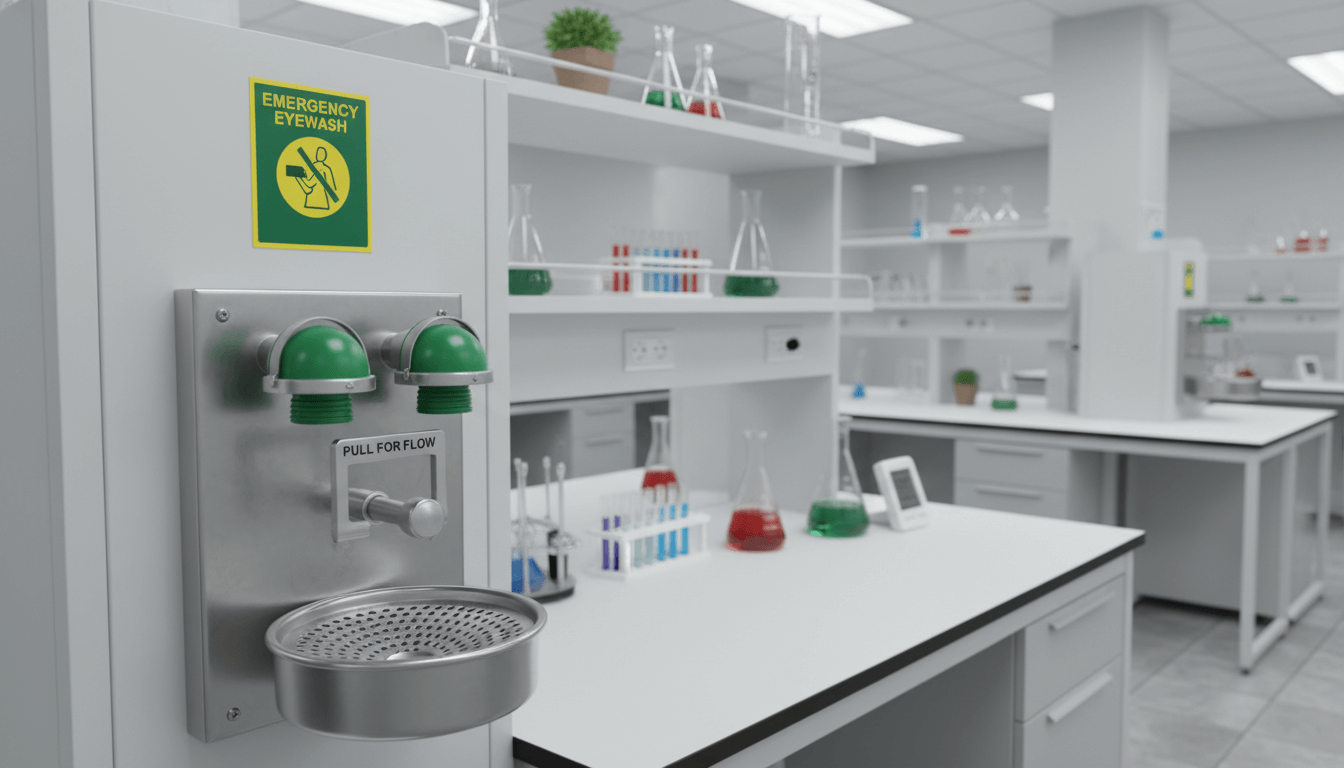
Table of Contents
- Why Laboratory Safety Inspections Matter
- What Inspectors Actually Look For
- PPE: Personal Protective Equipment Standards
- Chemical Storage and Waste Disposal
- Avoid Common Violations
- Monthly vs Annual Inspections
- Internal Inspection Workflow
- Complete Laboratory Safety Inspection Checklist
We're going to explain how to perform a safety audit on your own lab. Laboratory safety audits are most effective when they focus on real-world conditions rather than paperwork alone. Inspectors typically look for visible hazards, unsafe behaviors, poor housekeeping, unlabeled waste, blocked emergency equipment, and evidence that safety systems are not being maintained.
This laboratory safety audit checklist is designed for internal monthly inspections, annual reviews, and routine walk-throughs. It can help identify common violations before they become incidents, citations, or costly shutdowns.
Why Laboratory Safety Inspections Matter
Laboratory inspections are one of the most effective ways to prevent injuries, chemical exposures, fires, spills, and regulatory problems. Routine internal inspections often identify the same issues outside inspectors would cite—but early enough to correct them without disruption.
Strong inspection programs also help laboratories:
- Reduce accident frequency
- Improve housekeeping and organization
- Reinforce employee accountability
- Maintain OSHA / EPA readiness
- Protect research continuity and uptime
- Identify trends before they become incidents
Regular audits work best when they are consistent, practical, and tied to corrective action.
What Inspectors Actually Look For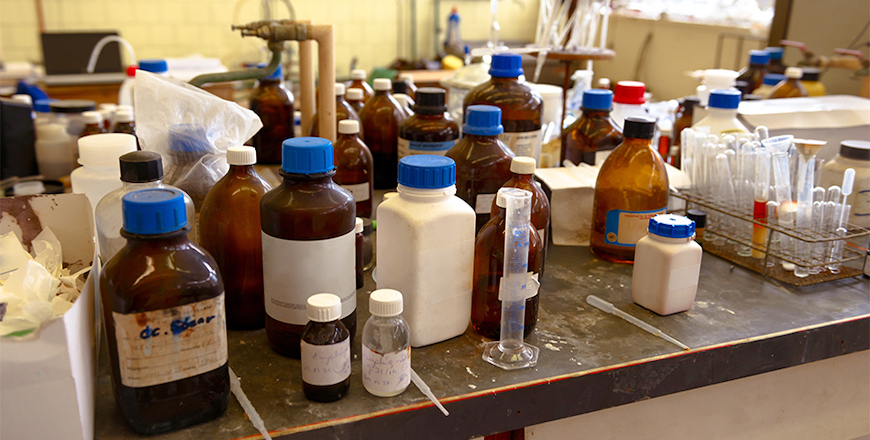
Inspectors often focus on visible conditions and behaviors rather than written policies alone. Common findings include:
- Open hazardous waste containers
- Missing or incomplete labels
- Blocked eyewash or fire extinguisher access
- Improper PPE use
- Chemicals stored by alphabet instead of compatibility
- Poor housekeeping and clutter
- Unsecured gas cylinders
- Expired inspections or missing logs
- Food or drink in lab areas
- Evidence employees are not following written procedures
PPE: Personal Protective Equipment Standards
Daily Personal Safety Standards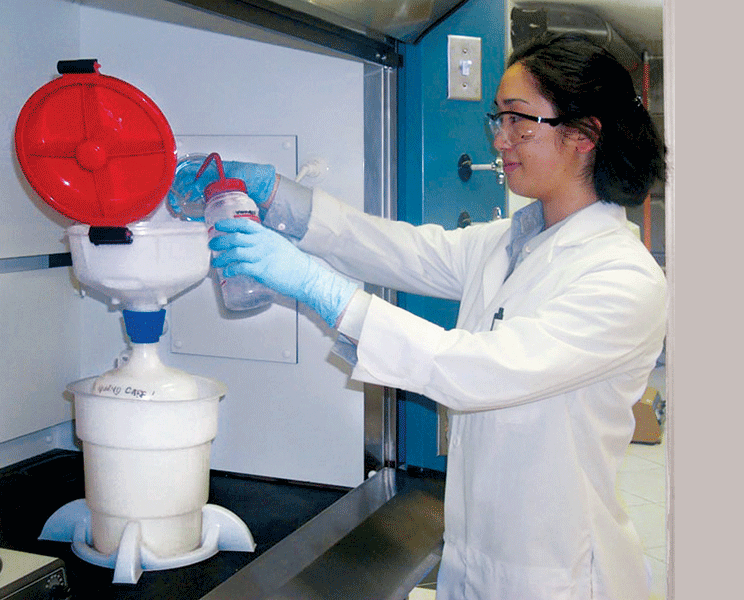
Wear Your 3 Gs: Goggles, Gloves, and Gear
- Safety glasses or chemical goggles worn where required
- Appropriate gloves selected for chemicals in use
- Lab coat, apron, sleeve covers, booties, or other PPE used as needed
- Closed-toe shoes worn in active lab areas
- Damaged or contaminated PPE replaced promptly
Contain Yourself! Make Sure:
- Long hair tied back
- Loose jewelry secured or removed
- Loose clothing restricted around chemicals, flames, and moving equipment
Chemical Storage and Waste Disposal
Chemical Handling Standards
- All containers clearly labeled
- No use of unlabeled or unidentified chemicals
- Bottle labels legible and facing outward
- Only needed quantities removed from stock containers
- Unused chemicals not returned to original bottles
- SDS access available to employees
- Staff trained on hazards, symptoms of overexposure, and safe handling
- Unknown materials treated as hazardous until identified
Don't Risk It
- No mouth pipetting under any circumstances
- Proper pipetting aids available and in use
Waste Management Checklist
Beware of Cross-Contamination:
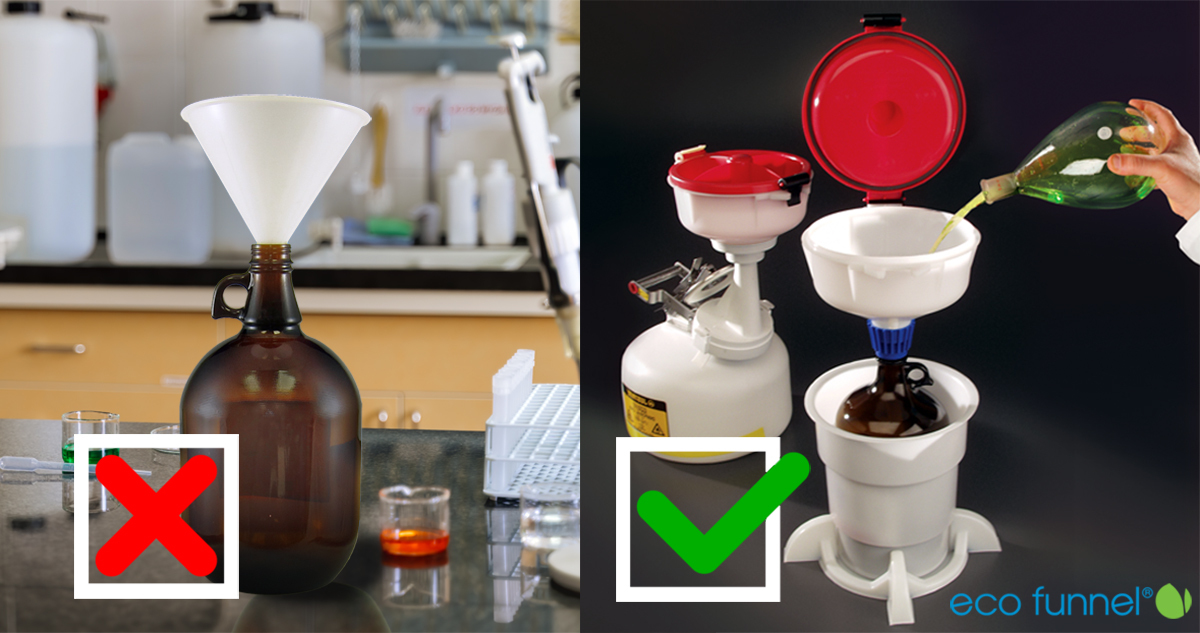
- Waste containers located near point of generation
- Bench top or hood waste containers available for contaminated solids
- Containers compatible with waste stream
- Waste containers closed when not actively in use
- Waste containers properly labeled
- Containers not overfilled
- Broken glass disposed in designated labeled container
- No chemical waste poured into sinks or drains
- Incompatible wastes segregated
- Avoid Common Violations
Common audit failures include:
- Safety procedures written but not practiced
- Monthly inspections skipped or undocumented
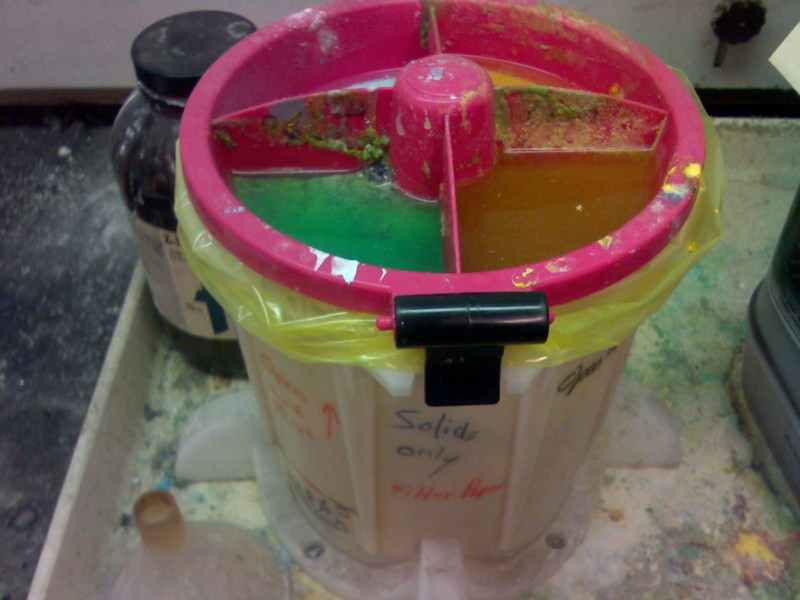
- Waste stations poorly maintained
- Training records incomplete
- Emergency equipment blocked by storage
- Old chemicals accumulating without review
- Supervisors assuming someone else is checking compliance
Avoiding these issues requires ownership, documentation, and follow-up.
Monthly vs Annual Inspections:
Monthly Internal Inspection
Focus on frequent operational risks:
- PPE compliance
- Waste containers and labels
- Eyewash / extinguisher access
- Housekeeping and clutter
- Leaks, damage, broken glassware
- Immediate corrective actions
- Annual Comprehensive Review
Focus on systems and long-term readiness:
- Training records
- SOP updates
- Chemical inventory review
- Equipment certification / calibration
- Emergency response drills
- Trend review of incidents and near misses
- Capital improvement needs
- Internal Inspection Workflow
A practical internal audit process:
- Schedule inspection date and responsible auditor
- Walk lab using checklist
- Photograph deficiencies where useful
- Rank findings by severity
- Assign owner and correction deadline
- Verify completion
- Retain records for trend analysis
- Use repeat findings to improve systems, not just fix symptoms
- Complete Laboratory Safety Inspection Checklist
- Emergency Preparedness Checklist
Know the Emergency Plan: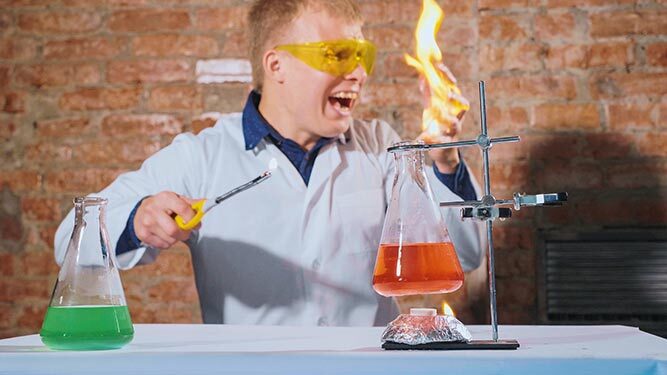
- Eyewash stations accessible, tested, and unobstructed
- Safety showers accessible and inspected
- Fire extinguishers visible, charged, and current on inspection tags
- Emergency exits clearly marked and not blocked
- Evacuation routes posted
- Assembly / meeting point known by staff
- Emergency contact numbers posted
- Spill kits stocked and appropriate for chemicals used
- Ventilation & Process Safety Checklist
Breathe Easy:
- Hazardous chemicals used in functioning chemical fume hoods where appropriate
- Fume hood sash positioned correctly
- Airflow monitors functioning if installed
- No excessive storage inside hoods blocking airflow
- Explosive or pressure risks protected with shields where needed
Play it Safe:
- High-risk work not performed alone when assistance is needed
- Buddy system or communication plan used for hazardous operations
- Equipment & Housekeeping Checklist
Keep it Working:
- Equipment inspected regularly and functioning properly
- Maintenance logs current where required
- No chipped or cracked glassware in service
- Electrical cords in good condition
- Floors dry and free of trip hazards
- Aisles clear
- Work surfaces clean and organized
- Spills cleaned promptly and documented if required
- Incident Reporting Checklist
Report All Accidents:
- All injuries reported promptly
- Near misses documented
- Spills and releases reported internally
- Corrective actions assigned and tracked
Download our printable Laboratory Safety Inspection Checklist
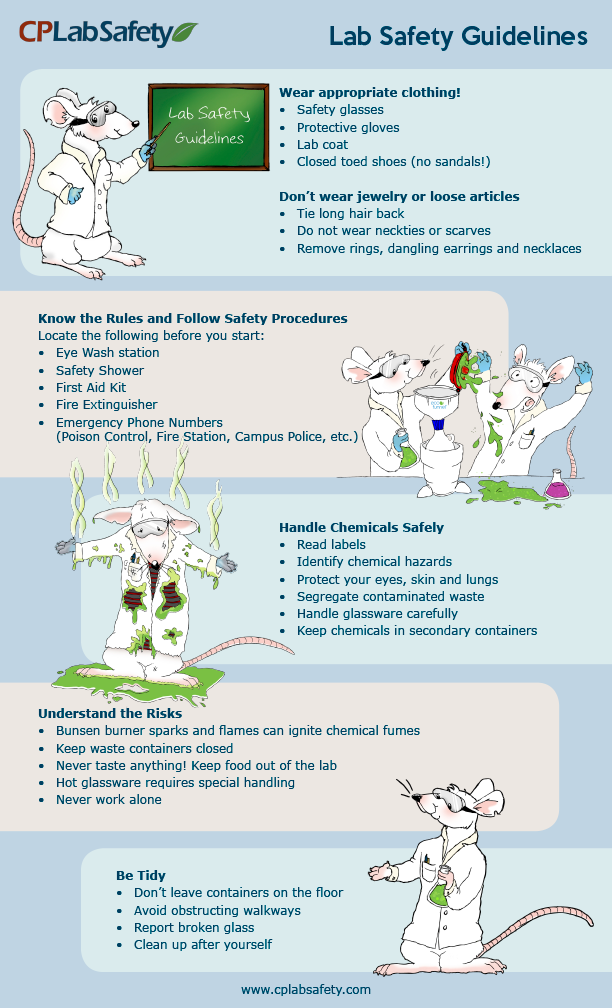
Looking for a cute Lab Safety Checklist for students?
Download our "Lab Rats Demonstrate Lab Safety" printable checklist (PDF)
Back to Laboratory Safety: A Guide to Risk Reduction in Modern Labs