
Lab Start-up Guide
Setting up a new laboratory involves more than acquiring proper equipment. A safe lab starts with thoughtful planning of workspace layout, workflow, waste handling, chemical storage, and emergency response. While every laboratory has different technical requirements, the foundational safety principles are similar across research, analytical, industrial, environmental, and academic settings.
This startup guide covers core considerations for designing a safer laboratory from the beginning. Taking the time to plan these systems before the lab is fully operational can help reduce hazards, improve efficiency, and support compliance.
Bench Layout and Daily Use Areas
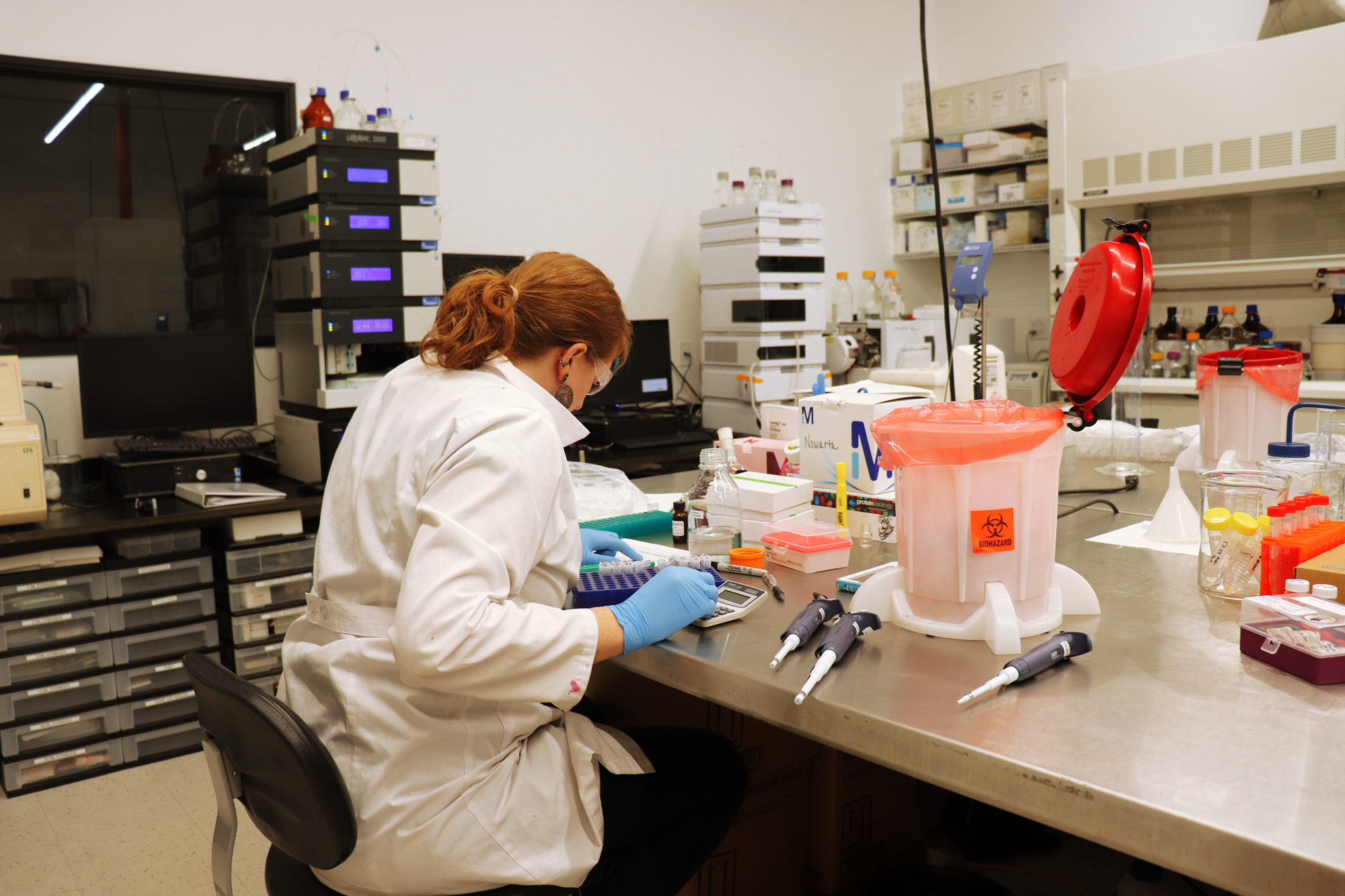
Bench layout should support both the science being performed and the safety of the people performing it. A well-designed bench reduces unnecessary movement, prevents clutter, and keeps hazardous processes separated from routine work.
When planning bench space, consider the following:
- Keep high-use items within easy reach to reduce repetitive movement and accidental spills
- Separate clean tasks from chemical handling, biological work, and waste accumulation
- Provide enough bench depth for instruments, sample handling, and temporary staging without overcrowding
- Leave clear access to exits, emergency equipment, and shared aisles
- Place heavy or vibration-sensitive equipment on stable surfaces away from high-traffic areas
It is also important to think about where support equipment will be located. Stirrers, vortexers, centrifuges, incubators, ovens, freezers, and refrigerators all contribute to the practical flow of the lab. Equipment should be positioned so that users do not have to cross active hazardous work areas to access routine tools.
Workflow Safety and Layout Planning
Laboratory workflow should be designed around how materials, people, and waste move through the space. A lab may have excellent equipment and still function poorly if sample flow, chemical handling, and waste disposal are not organized logically.
A useful approach is to map the lab in stages:
- Receiving and unpacking materials
- Storage of chemicals, consumables, and samples
- Preparation and active work areas
- Instrument or process stations
- Waste collection and disposal
- Final cleanup and decontamination
Hazards should be considered at each stage. For example, if flammable solvents are used at the bench and waste is generated during the same process, the shortest and safest route from point of use to waste collection should already be built into the layout. The more often users must carry open or contaminated materials across the lab, the greater the risk of exposure, spills, and cross-contamination.
Good workflow planning also means identifying where incompatible operations should be separated. This may include:
- Separating acids from bases and oxidizers from organics
- Keeping biological work distinct from chemical work
- Separating heat-generating equipment from flammable handling areas
- Avoiding shared congestion around sinks, hoods, or common instruments
Waste Station Design
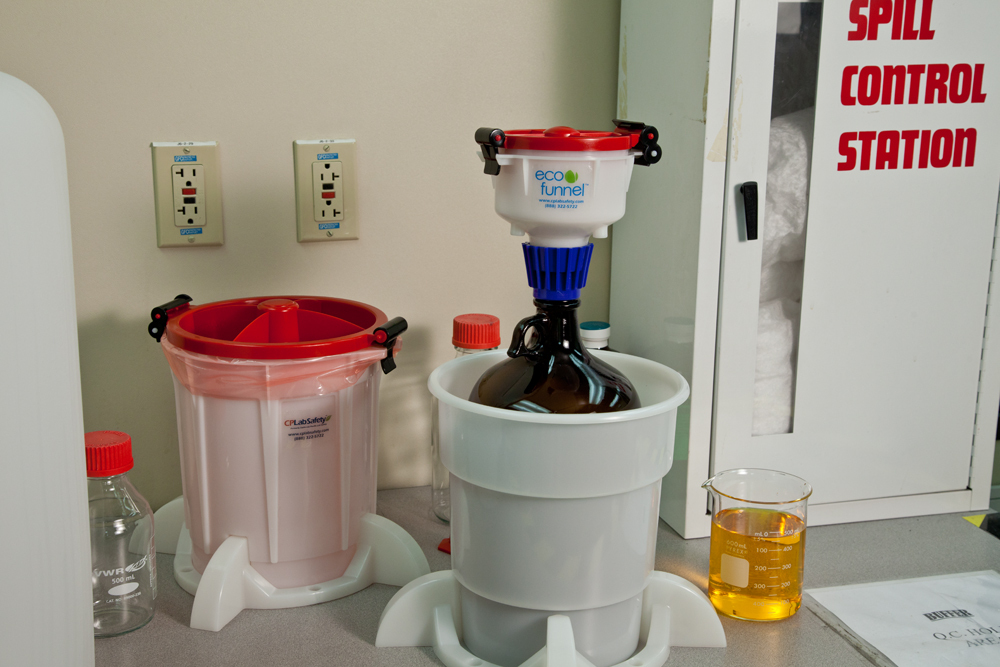 Waste handling should be designed into the lab from the beginning, not added later as an afterthought. Poor waste station design is one of the most common sources of preventable laboratory safety issues.
Each waste station should be planned around the actual waste stream being generated. Consider:
- What type of waste will be generated at that location
- How often waste will be added
- Whether the waste is flammable, corrosive, toxic, or biologically contaminated
- How the container will remain closed when not actively in use
- Whether secondary containment is needed
- How close the station is to the point of generation
For liquid chemical waste, open containers and loose funnels create unnecessary exposure and may lead to odor, vapor release, and noncompliant waste practices. Closed systems are generally easier to manage and support safer day-to-day operations. In many labs, a safety funnel attached securely to the waste bottle helps reduce vapor release while still allowing controlled addition of waste.
For contaminated solids, a dedicated bench top waste container with a secure lid can make a significant difference. This allows items such as wipes, pipette tips, gloves, filter media, and other contaminated debris to be discarded at the point of use rather than carried across the room.
Waste station design should also include:
- Clear labeling of each waste stream
- Segregation of incompatible wastes
- Stable placement away from aisle edges and foot traffic
- Secondary containment where leaks or overflows are possible
- Routine inspection for full containers, residue buildup, or deterioration
Hazardous Material Storage
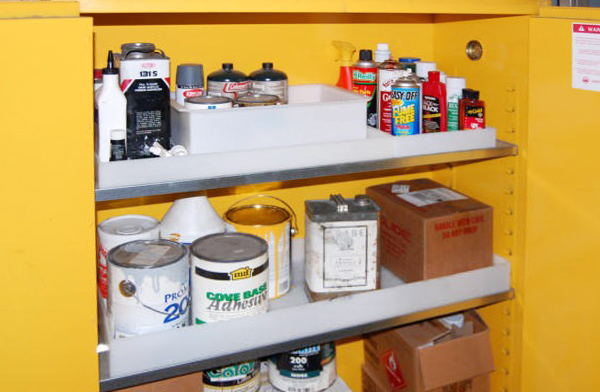 Hazardous material storage should be organized by compatibility, hazard class, and frequency of use. The goal is not simply to store chemicals, but to store them in a way that limits the consequences of leaks, reactions, breakage, or improper access.
General storage principles include:
- Store chemicals by compatibility, not alphabetically
- Keep flammables in approved flammable storage cabinets when required
- Use corrosive storage designed for acids or bases where appropriate
- Keep oxidizers away from organics and combustibles
- Store heavy containers low and stable
- Use secondary containment for liquids that could leak or spill
- Clearly label shelves, cabinets, and storage zones
Labs using drums, large feed containers, or chemical transfer systems should also think about how chemicals move in and out of storage. Drum feed systems, pumps, and tubing should be secured in a way that reduces splashing, vapor escape, and contamination. A properly designed drum interface can improve safety substantially in facilities using larger-volume chemicals.
Emergency Preparedness
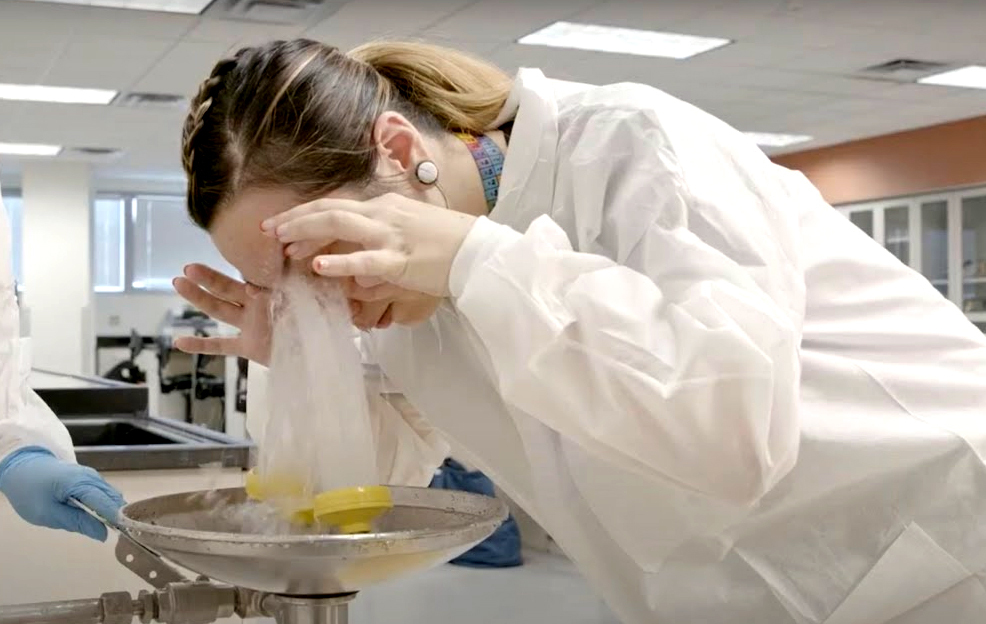 Emergency equipment should be visible, accessible, and appropriate for the hazards present in the lab. It is not enough to install equipment once. Startup planning should also include training, signage, and regular inspection.
At a minimum, review the placement and readiness of:
- Eyewash stations
- Safety showers
- Fire extinguishers
- Spill kits
- Emergency signage and contact information
- First aid supplies
- Exit routes and evacuation maps
Emergency eyewash and shower stations should be located so they can be reached quickly without obstacles. Fire extinguishers should match the expected hazard classes in the area. Spill kits should be chosen based on the chemicals actually used, not just stocked generically.
Signs should be easy to read and placed where a new employee, visitor, or inspector can quickly understand the hazard profile of the room. This includes emergency contact information, PPE requirements, flammable storage notices, and waste handling instructions where applicable.
Planning for Safer Day-to-Day Operation
The most effective lab setups reduce dependence on memory and individual habit. If waste containers are easy to keep closed, if hazardous storage is clearly organized, and if emergency equipment is easy to find, daily compliance becomes much easier.
As you build out a new lab, focus on systems that support repeatable safe behavior:
- Closed waste collection rather than open disposal practices
- Clear physical separation between incompatible processes
- Dedicated containment for liquids and contaminated solids
- Thoughtful placement of equipment based on actual workflow
- Visible emergency infrastructure and clear signage
Lab Supplies and Equipment
A new laboratory does not need every possible piece of equipment on day one, but it does need a layout and safety framework that can scale as work expands. Starting with these principles in mind helps create a lab that is safer, more efficient, and easier to manage over time.
If you need help selecting waste handling products, containment solutions, or safety equipment for your laboratory setup, CP Lab Safety can help you evaluate practical options for your specific workflow. Commonly used lab supplies and equipment are:
Autoclaves/Sterilizers
Autoclaving is common in laboratories to ensure sterilization of laboratory equipment using pressurized steam at 121°C (249°F) Shop Autoclaves
Water Baths
A temperature-controlled water bath used to incubate samples of cell cultures, warm reagents, or melt substrates. It is also the safe option when heating up flammable chemicals, instead of an open flame, as it prevents the risk of chemicals igniting. Shop Water Baths
Bench Top Solid Waste Container
A small waste container located at each workstation is ideal minimize contamination across the lab and maintain segregation of contaminated biological and hazardous waste from the general trash. Trap chemical vapors with the built-in gasket. Shop Bench Top Solid Waste Containers
Lab Grinders and Blenders
Laboratory blenders, grinders and pestles for prepping laboratory samples. Shop Laboratory Blenders
Cell Counters
Count cell colonies quickly and easily. Shop Cell Counters
Centrifuges
Rapidly rotate samples to separate fluids of different densities or extract liquids from solids. Centrifuges are available in various sizes and can be used at the industrial level for manufacturing and waste processing. Shop Centrifuges
Cryogenic & Freezing
Cryo products are designed to keeping items below freezing (typically between -40°C and -86°C.) Specialized freezers, cryo-vials, labels and storage boxes are available for temperature sensitive items. Shop cryo products
Drum Feed Safety Clamps
Increase the safety of chemical feed systems. Drum clamps securely attach to the drum opening and keep tubing in place. Inner chemical filter traps fumes and excludes particulates. Shop Drum Feed Safety Clamps
Dry Block Heaters
Also known as dry bath incubators, dry block heaters are used to provide consistent temperature for a variety of applications in molecular biology, clinical and environmental labs. Shop Dry Block Heaters
ECO Funnels
Safely capture hazardous liquid waste and vapor. Unlike a regular funnel, ECO Funnel attaches to the bottle and traps >99% of fumes. Widely used in laboratories across the United States to helps labs comply with EPA and OSHA regulations. Many analytical chemistry laboratories use ECO Funnels that have been customized with HPLC/UPLC fittings to create a closed waste system. ECO Funnel reduces the risk of lab fires by blocking flammable airborne pollutants. It helps keep labs compliant and employees healthy and safe. Shop ECO Funnels
Electrophoresis Systems
Used in laboratories to separate macromolecules based on size – normally with RNA, DNA and protein. The separation is performed using an electrical charge through a matrix typically made of agarose gel, polyacrylamide gel or capillary tubes. Shop Electrophoresis
Fume Hoods
Provide ventilation and capture hazardous toxic fumes, vapors and dusts. Choose ducted fume hoods to exhaust the air to the outdoors, or ductless recirculating fume hoods which rely on replaceable filters to capture contaminants. Shop Fume Hoods
Gas Generators
Many labs are turning to local, on-demand gas generators instead of canisters for their hydrogen, nitrogen and zero-air requirements. On-demand gas can be created within minutes and create an unlimited supply when sized correctly for the lab. Nitrogen and Hydrogen Gas generators
Glassware
There are several categories of lab glassware you might need for your lab:
- beakers and flasks
- glass vials
- cell culture products
- separatory funnels
- media bottles
Hot Plates
Heat up glassware and its contents as a fast alternative to water baths. Shop Hot Plates
Incubators
Essential for cell biology, microbiology and molecular biology laboratories to to grow and maintain microbiological cultures or cell cultures through optimal temperature. Shop Incubators
Microtiter/Microplates
A microtiter pr microplate is a small flat panel with multiple "wells" used in place of small test tubes. A standard for analytical research and clinical diagnostic testing laboratories and in many life science applications. Shop Microplates
Pumps
Chemically resistant pumps for various applications. Shop Lab Pumps
Shakers
Mix and agitate lab samples. Various platform size, capacity, display, movement and motor options are available. Shop Shakers
Stirrers
Use a rotating magnetic field to move the stir bar. Available with and without a heating element for various chemistry and biology applications. Shop Stirrers
Transilluminators
Ultraviolet (UV) transilluminators are used in life science laboratories for visualization of target DNAs and proteins after electrophoresis. Shop Transilluminators
Back to Laboratory Safety: A Guide to Risk Reduction in Modern Labs